


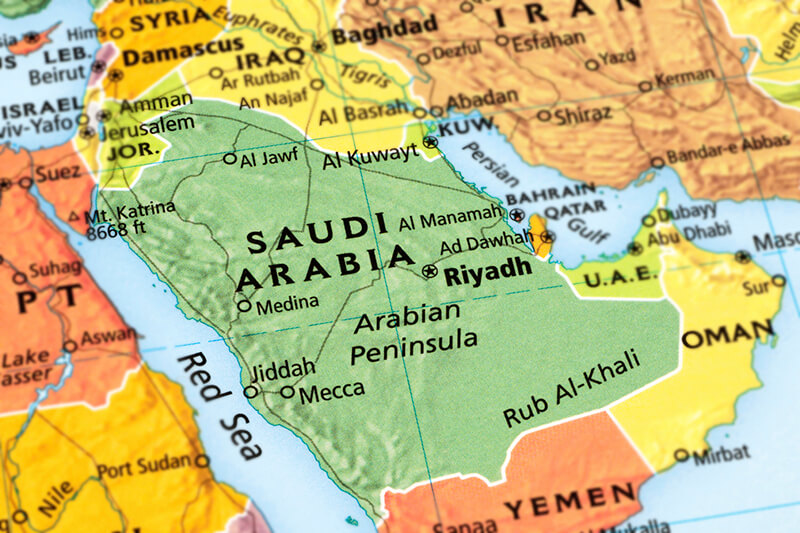
The GCC is seen as a very attractive economic region for those looking to expand their international operations.
Growing economies, advanced infrastructures, attractive tax policies and healthy markets all point to a potentially safe, if not lucrative, venture.
However, as with any new market, success comes with a certain amount of pain!
Here are 5 of the most common challenges faced by companies setting up a new business in the GCC.
1: The Bureaucracy
Everyone who has had to go through the process of setting up a business in the GCC knows exactly what ‘bureaucracy in the GCC’ entails. Paperwork, regulations, different offices, queues, conflicting procedures, licenses, permissions, stamps… and the list goes on. One sometimes feels as though they are jumping through hoops in order to get the simplest of things achieved. Patience is an absolute must as is following local laws, national laws. Making sure your company has been set up according to the letter of the way is vital in securing security and stability.
2: The Language
Arabic ties the region together linguistically. As a result, most official paperwork and the like will require Arabic translation, occasionally certified or officiated depending on the country. You may or may not also need interpreters for certain official meetings or with certain clients. English fluency is generally strong across the GCC but in some countries, such as Saudi Arabia for instance, and within certain sectors, such as the public sectors, English may be limited. If selling products or services, these should also be localized for the Arabic speaking market.
3: The Culture
Doing business, running an office, hiring in people, marketing your wares, etc. can be challenging due to cultural differences and religious sensitivities. The way business is done, how people handle themselves, the etiquette, taboos and the general approach to life are very different to say the USA or Europe. It takes getting used to. Understanding how the culture works is vital prior to entering the market to better understand what things do, can or cant work in the marketplace and how best to adapt your company’s offering to locals’ tastes.
4: The Strategy
Entering the GCC with a strategy built from afar, with no or little experience of the region, has led to many a company getting tangled up in a web of problems. Sometimes the simplest of things such as lack of payment options or viable distribution network can ruin complex planning. It is critical that prior to the development of any strategy that stakeholders visit the region or their target national markets. Once they have a better understanding of local conditions, it is then easier to plan on how to penetrate the market.
5. The Location
Remember The GCC involves Bahrain, Kuwait, Oman, Qatar, Saudi Arabia, and the United Arab Emirates. Where you set up operations, who you recruit, the regulations you follow and the constraints or freedoms you live and work under will ultimately come down to your location. Getting your location correct is crucial. Even within countries themselves, due to the existence of Trade Zones, there are sometimes multiple options in terms of where to set up and how.


